September 23, 2026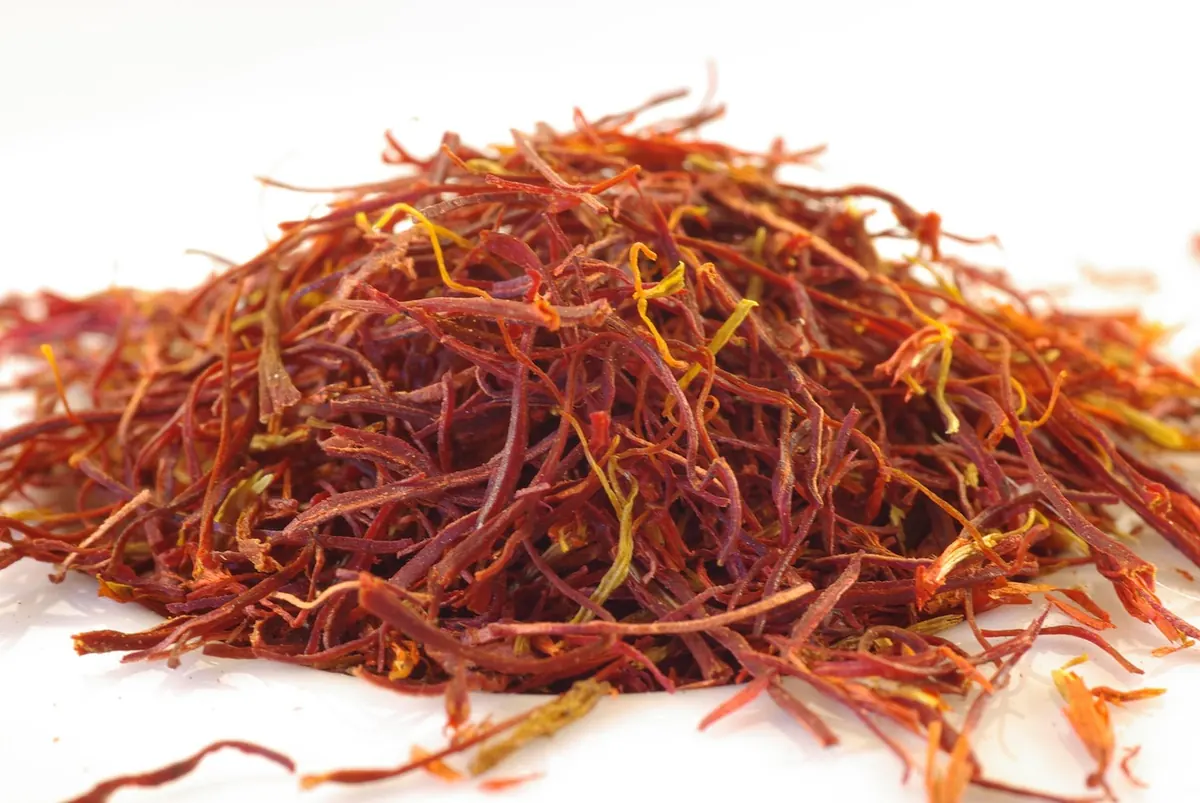
Saffron rarely fails loudly. A poor pinch just sits in the risotto doing nothing: no colour, no perfume, no reason to have spent the money. Good saffron makes itself known within seconds — warm, honeyed, faintly hay-like, and generous with its golden bleed. The trouble is that the two can look almost identical in a sealed jar under shop lighting. Here is a set of checks you can run at a market stall, in a deli, or against a website listing before you part with any money.
Start with the shape of the threads
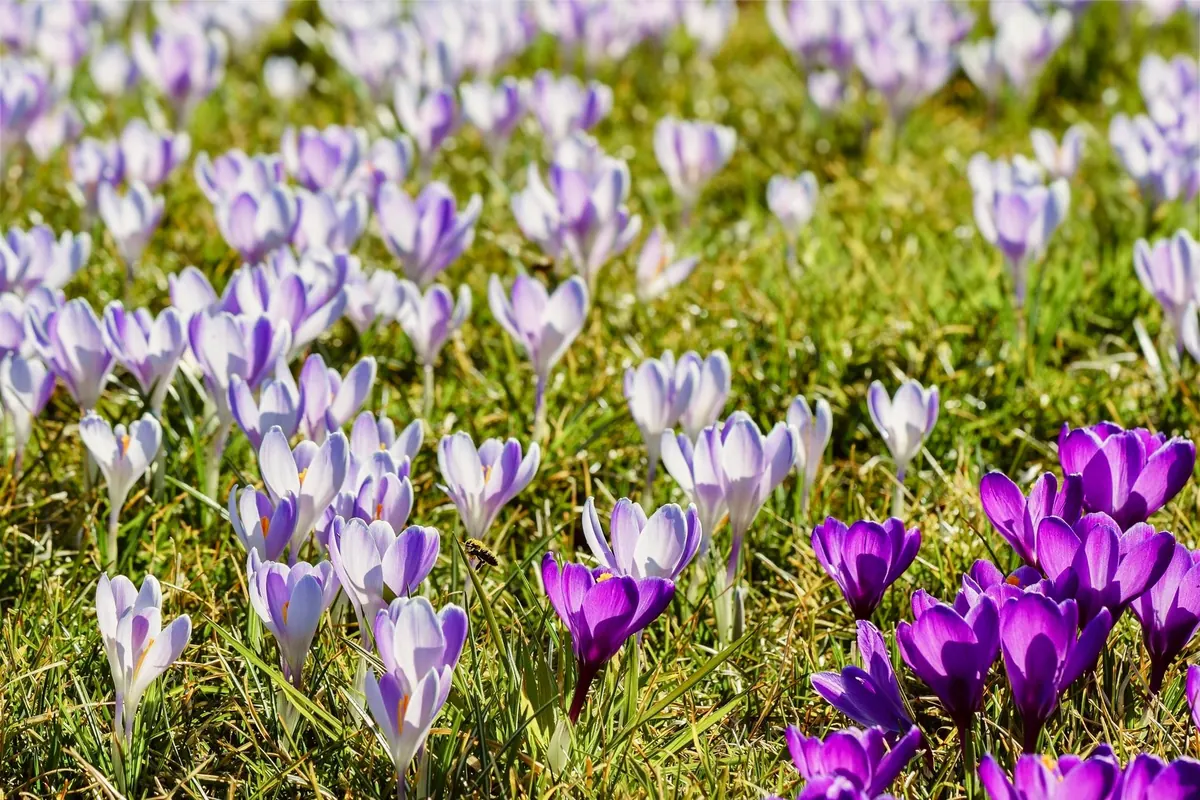
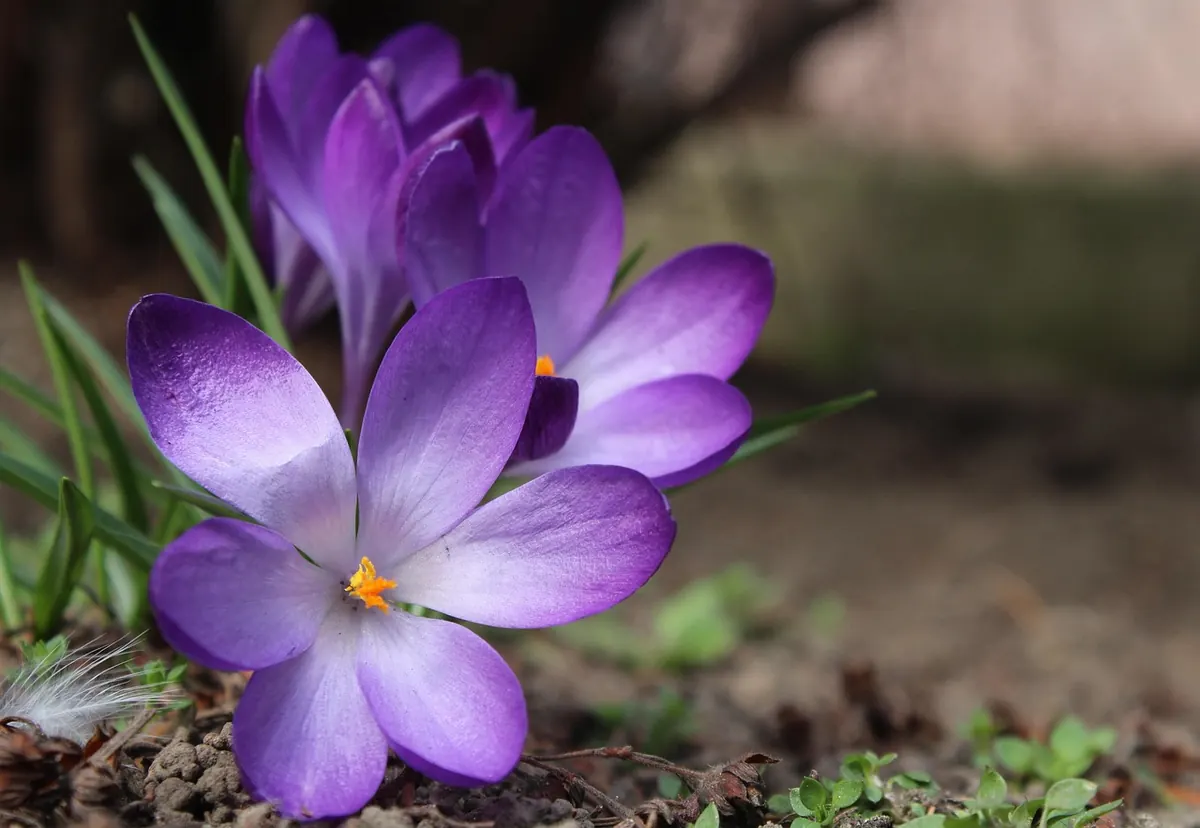
Saffron is the dried stigma of the crocus flower, and each thread has a shape you can learn in about ten seconds. It flares open at the top like a tiny trumpet and tapers to a thin tail where it met the flower.
Safflower is the usual impostor. It is red enough to pass at a glance, but its threads are straight, pointed at both ends and have no flare at all. You don't need a magnifying glass — tip a few out into your palm and look properly rather than judging the colour from arm's length.
Dry and brittle beats soft and bendy
Properly dried saffron snaps when you bend it. If the threads bend like string, or feel cool and slightly damp, moisture has crept in. That matters more than it sounds: damp saffron loses its perfume fast and can turn musty, and musty saffron tastes of dusty hay.
A little dust is fine, a jar of powder is not
Broken fragments at the bottom of a jar are normal and harmless. A jar containing nothing but powder is a gamble, because powder can be stretched with turmeric, paprika or dyed filler, and once the threads are ground you cannot check the shape, the dryness or how much yellow style went in. Buy threads and crush them yourself — a pestle and mortar, or the back of a spoon on a saucer, does the job in seconds.
Colour: deep red, not bright orange
Good saffron is an even, deep crimson that darkens rather than glows. A small amount of yellow at the base is normal in mid-range grades; that is the style, the part with the least colour and flavour. Top grades are trimmed so only the red stigma remains, which is why they are sold as "all-red". If a good half of the jar is yellow-orange, you are paying saffron prices for stalk.
The ten-minute glass test
Drop three or four threads into a small glass of warm — not boiling — water. Over roughly ten minutes, genuine saffron releases a clear golden-yellow colour and the threads themselves stay red. Fakes often bleed colour almost immediately, and some substitutes leave the threads looking pale or white.
Rub a single thread between damp fingers as well. Real saffron leaves a yellow-gold stain on your skin and keeps its own red colour. If your fingertips turn bright red, or the thread collapses into red dust, treat it as dye until proved otherwise.
Smell and taste: honey, hay, a faint bitterness
Warm one thread between your fingers and smell it. Expect honey, hay, something sweet, sometimes a faint leathery edge. Fresh saffron is surprisingly heady — a small jar can scent a whole room when you open it. If you get nothing at all, or a dusty cupboard smell, put it back.
One thread is enough to taste. Chew it and you should get a gentle bitterness followed by a sweet, hay-like finish. Flat, sugary or soapy flavours are a warning sign. Don't chew a pinch to test it; more than a thread or two is unpleasant and tells you nothing extra.
Culinary amounts suit most people. If you are pregnant, taking blood-thinning medication, or considering saffron supplements rather than dinner, speak to a pharmacist or doctor first.
Packaging shows how much the seller cares
- Small quantities. One, two or five grams. Saffron fades with age, and a large jar rarely gets finished before the aroma goes.
- Airtight and light-proof. Amber glass, a metal tin or a sealed foil sachet. Clear plastic left on a sunny shelf is the worst option available.
- A proper seal and a clean lid, with no dust or crumbs around the rim.
- A date. A harvest year or a best-before date, not just a batch code.
- A seller who can answer questions. If buying loose at a market, ask where it came from. A stall holder who knows the origin is usually a stall holder worth buying from.
Labels, prices and red flags
A trustworthy label tells you the country of origin — Iran, Spain, Afghanistan, Kashmir and Greece all produce saffron — the net weight, and the producer or packer. Grading names vary by country: coupe and mancha in Spain, sargol and negin in Iran. You do not need to memorise them, but a seller who names one generally knows the product. Watch for these instead:
- Prices far below everyone else's. Saffron is the most expensive spice by weight, and a bargain usually means filler or a substitute.
- Powder with no ingredient list, origin or date.
- Threads sold as "all-red" with obvious yellow bases.
- Product photos that clearly show safflower, or a stock image of a different spice.
- Very large weights at low cost: 50g or 100g of genuine saffron at pocket-money prices does not exist.
- Grand claims with no detail behind them.
The seven signs at a glance
- Deep, even red threads with little or no yellow base.
- A flared top and tapered tail, not straight threads pointed at both ends.