October 07, 2026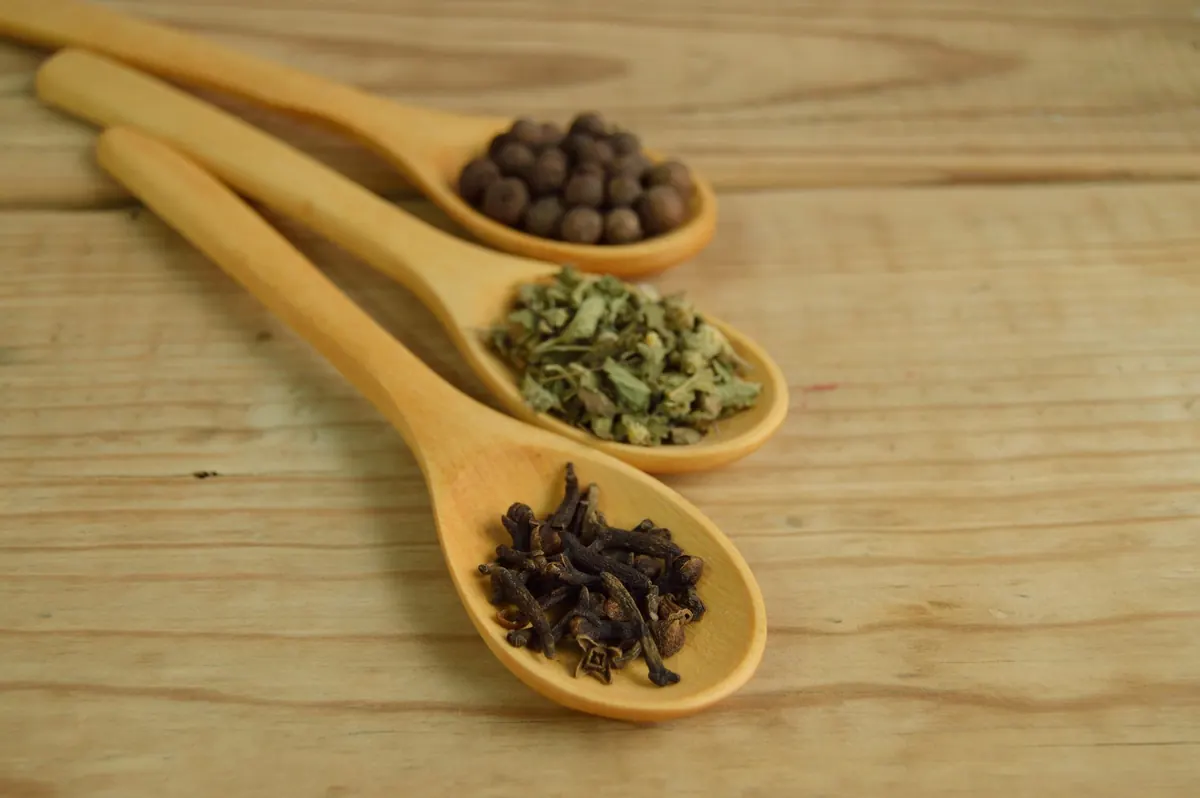
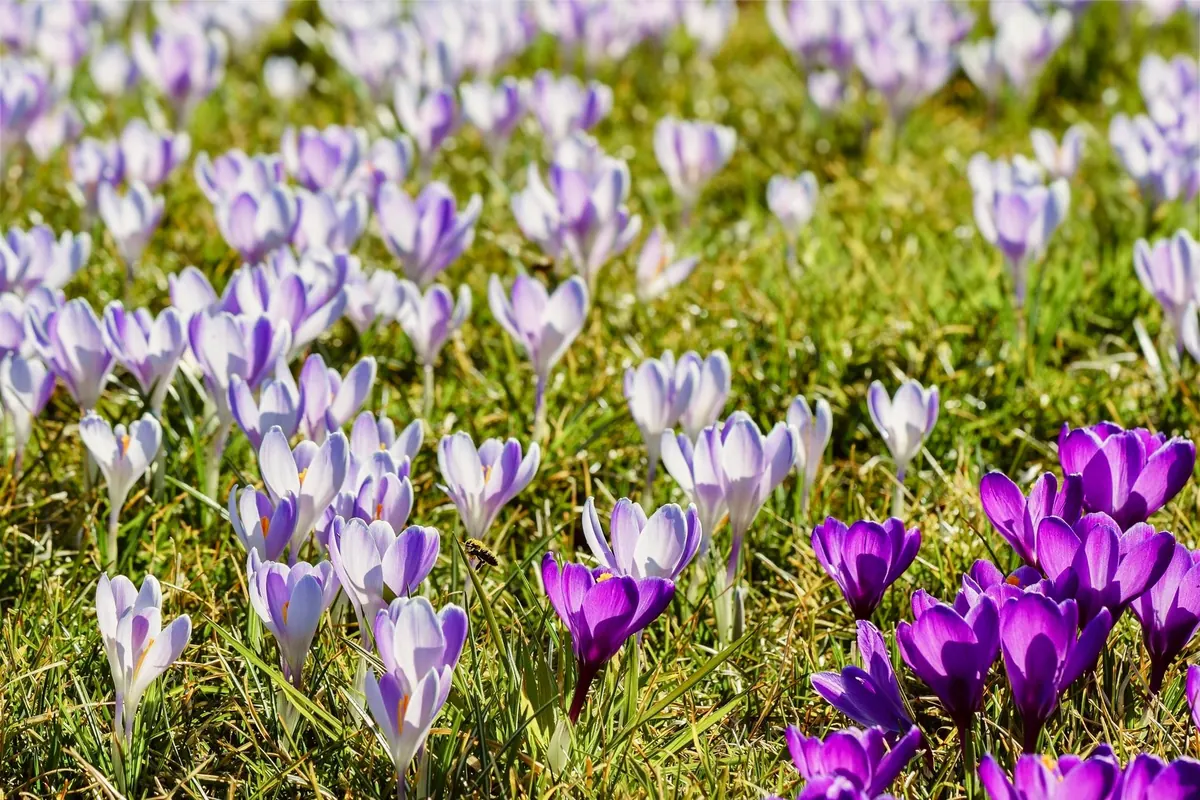
Saffron Walden takes its name from a crop that once turned whole Essex fields blue each October. Saffron has been part of British cooking for the better part of a thousand years: a luxury on medieval tables, the soul of Cornish buns and Welsh breads, and now a quiet favourite among bakers chasing a colour and perfume nothing else can copy. It is expensive, it is easy to waste, and it rewards a little patience.
How saffron came to British soil
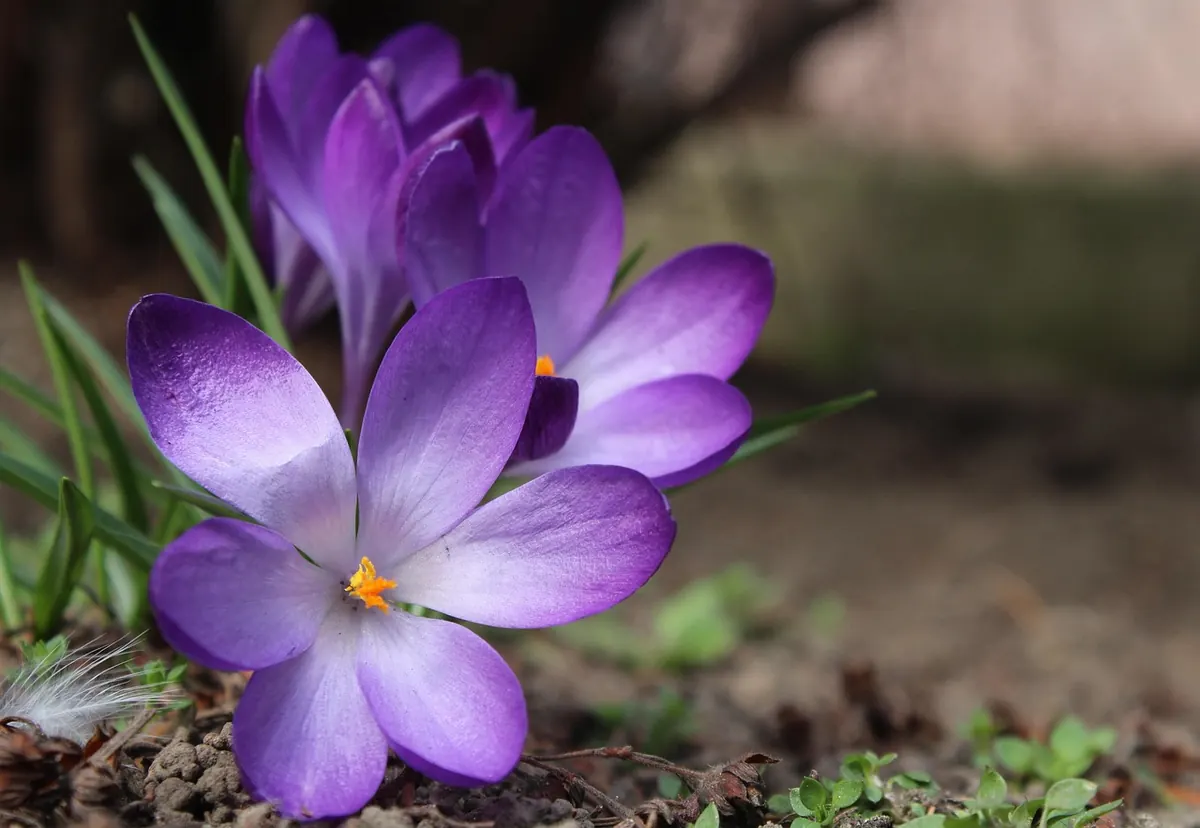
Saffron comes from Crocus sativus, an autumn-flowering plant that cannot seed itself and survives only because people lift, split and replant its corms. Each flower gives three crimson stigmas, picked by hand and dried. That labour is why the spice has always cost so much.
It grew well here. The plant likes light, free-draining soil and a dry summer, and the chalky ground around Walden in Essex suited it. From the fourteenth century, local fields were given over to it, and by the sixteenth century the trade was important enough that the town took the name Saffron Walden. Growers sold to cooks, dyers and apothecaries at once: the same threads coloured cloth, treated ailments and flavoured dinner. Cheaper imports and rising labour costs wore the Essex trade down by the eighteenth century, but patches of cultivation held on far longer in the west, in Cornwall and parts of Wales.
Saffron in the medieval kitchen
Medieval English cooks used saffron with a free hand. It turns up repeatedly in manuscripts such as Forme of Cury, a late fourteenth-century collection of recipes, in rice pottages, blancmanges, sauces and spiced wines. There it was doing two jobs at once: flavour and colour. A golden dish said something about the household that served it, and yellow was not a colour you could get from garden herbs.
The flavour it gave was not the delicate, honeyed note we look for now. It sat alongside ginger, cinnamon, cloves and pepper in a style of cooking that liked sweetness and heat together. Saffron was there as much for theatre as for taste.
The western survivors: Cornwall and Wales
When saffron growing faded in England, it did not disappear from the kitchen. In Cornwall and parts of Wales it became a baking spice, and there it stayed.
Cornish saffron cake is the best-known example: a rich yeasted dough, often with currants and candied peel, coloured and scented by saffron steeped in warm milk. Saffron buns are its smaller relatives, shaped into rounds or knots, and both appear on festival tables and in Cornish tea rooms. Welsh baking has its own saffron breads and cakes, similar in spirit: fruit, butter, a warm yellow crumb. These are not delicate French pastries. They are generous, slightly dense, and best eaten the day they are baked, split and buttered.
Families used to eat saffron cake at Christmas, Easter and harvest, and in Cornwall at St Piran's Day in March. That habit kept saffron alive in British kitchens through the centuries when it had vanished from most of the country.
Why saffron works in British bakes
Saffron's flavour is hard to describe and easy to recognise: hay, honey, a faint metallic edge, something floral underneath. It reads well against ingredients British bakers already keep in the cupboard, including butter, cream, currants, orange zest, nutmeg and a little honey.
It earns its place in savoury cooking too. Saffron rice, a chicken and saffron pie, a risotto finished with a spoonful of saffron stock. And it has a firm foothold in British Indian cooking, where a pinch goes into biryani and into milk puddings such as kheer.
Buying, storing and blooming
Getting good saffron matters more than the recipe you choose. A few rules worth keeping:
- Buy threads rather than powder. Powdered saffron is far easier to adulterate and loses its aroma quickly.
- Look for deep red stigmas with only a small orange tip. Plenty of yellow in the jar means you are paying for the style, the part with almost no flavour.
- Trust your nose. It should smell honeyed and hay-like, never dusty.
- Store it airtight, away from light and heat. Not in a jar on the windowsill above the hob.
- Use it within a year or so. Older saffron still gives colour, but the perfume fades.
- A generous pinch, roughly twenty to thirty threads, is enough for four people.
The modern revival
British baking has come back to saffron over the past couple of decades. Some of that is supply: small growers in Essex, Cornwall, Wales and elsewhere are producing British saffron again, which makes the spice feel less like an imported luxury and more like a local ingredient.
Some of it is taste. Bakers who want a deep gold colour without reaching for artificial dye find saffron does the job while adding flavour of its own. It has turned up in brioche, custard tarts, shortbread and ice cream, and in cardamom-scented buns borrowed from Scandinavian baking. Cornish saffron buns, meanwhile, have moved from chapel teas and village bakeries into farm shops and weekend markets, often baked to the same recipe their makers' grandmothers used.
Starting with saffron: a short practical guide
If you have never cooked with saffron, begin with something forgiving. Buns, a plain sponge or a pan of rice will all show you what the spice does before you spend it on a complicated dough.
- Warm your liquid. Milk, water or stock, warm but not boiling.
- Crush the
Photo: Miguel Á. Padriñán / Pexels