September 17, 2026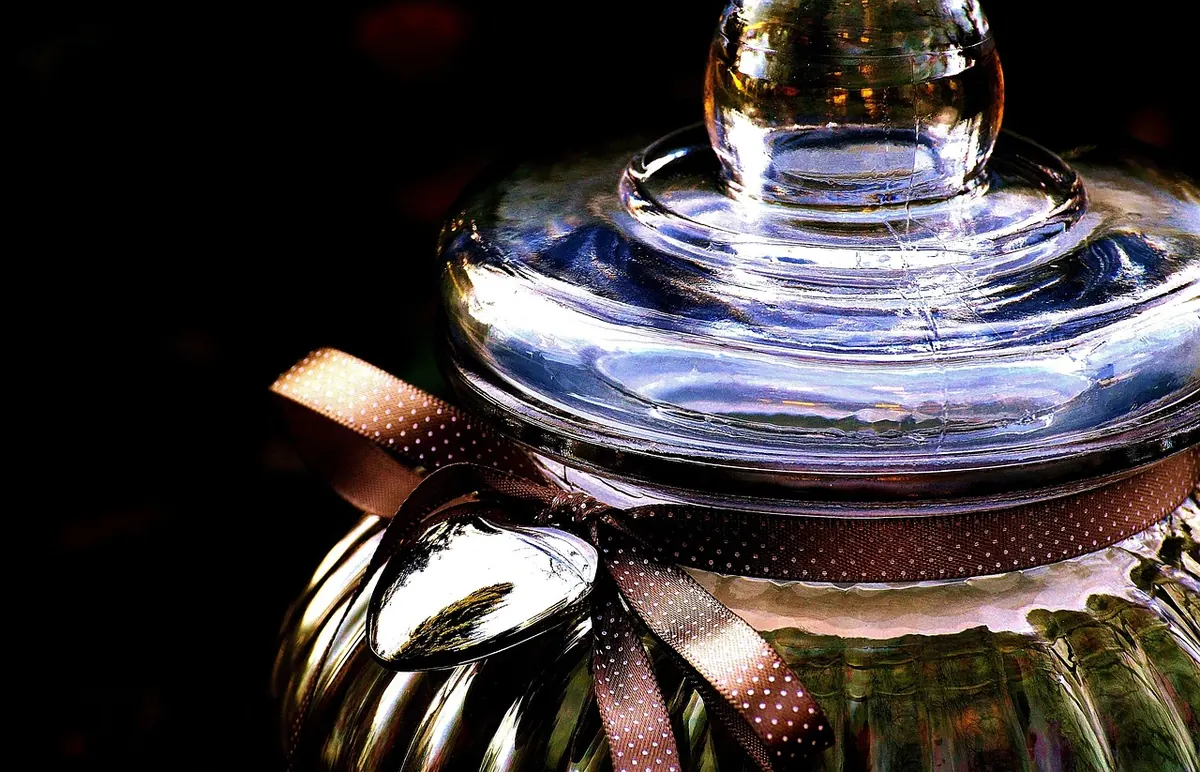
Saffron is the most expensive spice on most kitchen shelves, and one of the easiest to ruin. Leave a tin open above the hob and the threads that smelled of honey and hay in the shop will fade to a flat, dusty orange that colours rice and does nothing for it. Keeping saffron at its best needs no special equipment — just four things kept away from it: light, air, heat and moisture.
Get those right and a decent batch will still taste like itself a year or two later, ready for paella, risotto or a bowl of saffron ice cream. Get them wrong and even fine Persian or Kashmiri threads will be dull within months.
What is actually fading in your saffron
Three compounds do the work. Crocin gives the deep golden colour and is water-soluble, which is why a few threads turn a pan of rice yellow. Picrocrocin supplies the slightly bitter, honeyed taste. Safranal carries the aroma.
Safranal is volatile, so it leaves. Warmth speeds that up. Oxygen attacks the pigments, and light breaks crocin down directly. Moisture encourages mould and turns threads that should crumble into a clumped, damp-smelling mass. Whole threads hold up far better than powder, because grinding exposes far more surface to the air, and that single fact shapes most of the advice below.
There is a rough timeline to the damage, too. Stored cool, dark and properly sealed, saffron loses very little in the first year and keeps most of its character for two or three. Left in a warm cupboard in a loosely folded packet, it can taste tired within six weeks. That is a wide gap for a spice that costs more per gram than most things at the meat counter, and it all comes down to a jar and a shelf.
The container matters more than the cupboard
Most saffron is lost to a bad container rather than a bad shelf. A good one is:
- Airtight. A screw-top jar with a rubber gasket, a well-made tin or a small clip-lid jar. If you can smell saffron when the lid is on, aroma is escaping and oxygen is getting in.
- Opaque. Dark glass, metal or ceramic. Clear glass on an open shelf looks lovely and lets light work on the crocin all day. If clear glass is all you have, keep it inside a closed cupboard or in its outer box.
- Small. Buy a jar that fits your saffron rather than one with room to spare. Every extra cubic inch is oxygen sitting next to your threads, waiting.
- Clean and dry. A trace of last year's spice, or a single drop of water, is enough to start trouble. Wash and dry the jar thoroughly, or start fresh with a new one.
The tin saffron usually arrives in is fine until the day you open it. After that it is often a press-fit lid that loosens with handling, so decant the threads into something you can genuinely seal — and label it, because a small dark jar of red-gold threads looks like nothing else in the cupboard until someone sniffs it.
Where to keep it — and where not to
Cool, dark and stable is the whole answer. The enemy is not one hot afternoon; it is the small daily swing of temperature and humidity that comes with a busy kitchen.
Good spots
- A closed cupboard away from the oven and the kettle.
- A cool pantry shelf, ideally not against an outside wall that bakes in summer.
- A sealed jar inside a larger, light-proof box, if your kitchen has no truly dark corner.
Bad spots
- The shelf above the hob or the microwave — warm, steamy and constantly disturbed.
- The windowsill or any spot with direct sun.
- An open spice rack, however pretty, unless the jars are opaque and sealed.
- Beside the coffee grinder or the spice drawer that gets opened twenty times a day.
Should saffron go in the fridge or freezer?
The freezer is a good long-term home, with one condition: it must be genuinely airtight. Wrap the jar in a second bag or a small freezer box, because freezers are dry, smelly places and saffron picks up both. The other rule is patience. Let the jar come to room temperature before you open it, or condensation will form on the cold threads the moment the lid comes off. That single mistake undoes months of good storage.
The fridge is usually a poor choice. It is humid, it is full of strong smells, and it is opened constantly. Saffron kept in a fridge door tends to go soft and dull rather than dry and fragrant.
Threads, powder and the sugar trick
Buy threads if you can. They are easier to judge by eye, they keep far longer, and you can grind only what you need. Pre-ground saffron is convenient and often already past its best, because the powder has been breathing since the day it was milled. If you do buy powder, treat it as a spice to use within a few months, not years.
A traditional trick worth knowing: some cooks keep threads buried in a jar of sugar or salt. It works reasonably well, since the grains crowd out air and the saffron perfumes them in the process, giving you saffron sugar for cakes or saffron salt for fish. It only works if the jar is sealed and the sugar is bone dry. Never try it with a damp spoon in circulation.
Store saffron the way you would store tea you actually cared about: sealed, dark, cool, and away from anything that smells of something else.
Using it well is part of storing it well
Even perfectly kept saffron will disappoint if it goes into a dish dry. Crush a pinch with a little salt or sugar, then steep it in warm — not boiling — water, stock or milk for ten to twenty minutes. The liquid turns a deep amber and carries both colour and aroma evenly through the dish. Boiling water and long cooking drive off safranal, so add the infusion late where you can.
How to tell it has gone
- The threads are pale orange or brownish rather than deep red.
- There is almost no smell when you open the jar, or the smell is dusty rather than honeyed.
- The threads crumble to powder at a touch, or feel brittle and hollow.
- They are clumped, sticky or smell faintly of damp cardboard.
Faded saffron is not dangerous, just disappointing. Use it up in a big, strongly flavoured dish where colour is the main job, and buy fresh.
The ten-second routine
- Buy whole threads from a supplier you trust.
- Move them into a small, opaque, airtight jar.
- Keep that jar in a cool, dark cupboard, not above the stove.
- Grind or crush only what you are about to use.
- Bloom in warm liquid before it goes in the pan.
- Check the smell once a season. If it has faded, use it up and replace it.
Do those six things and the most expensive spice in your kitchen will also be one of the most reliable. A gram of good saffron, stored properly, is twenty or thirty meals' worth of colour and perfume — which makes the small effort of finding the right jar the cheapest part of the whole transaction.
Photo: Alexas_Fotos / Pixabay