September 16, 2026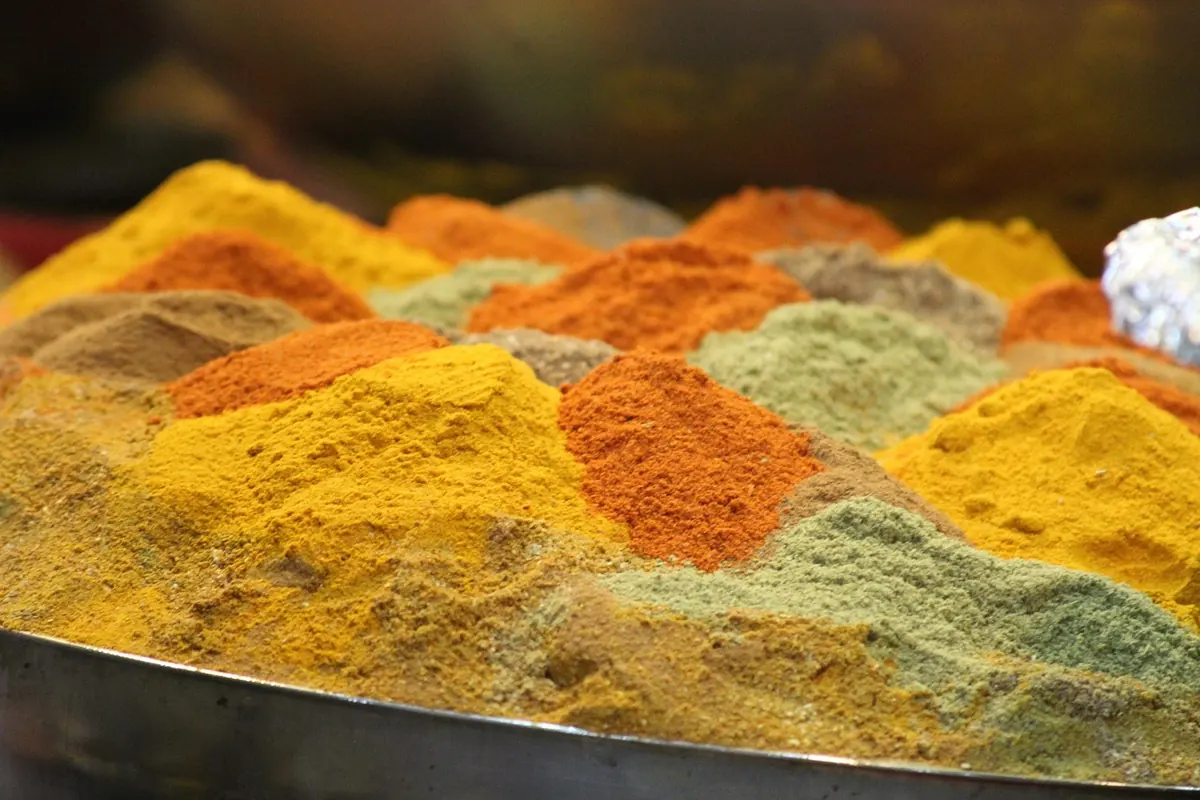
Saffron and turmeric both colour food gold. That is roughly where the similarity ends — and it is the reason so many home cooks end up disappointed with a paella or a biryani.
One is a hand-picked flower stigma sold by the gram and used by the pinch. The other is a root, ground into a cheap, bright powder and used by the spoonful. Once you know what to look for, telling them apart takes seconds.
Two spices, two completely different plants
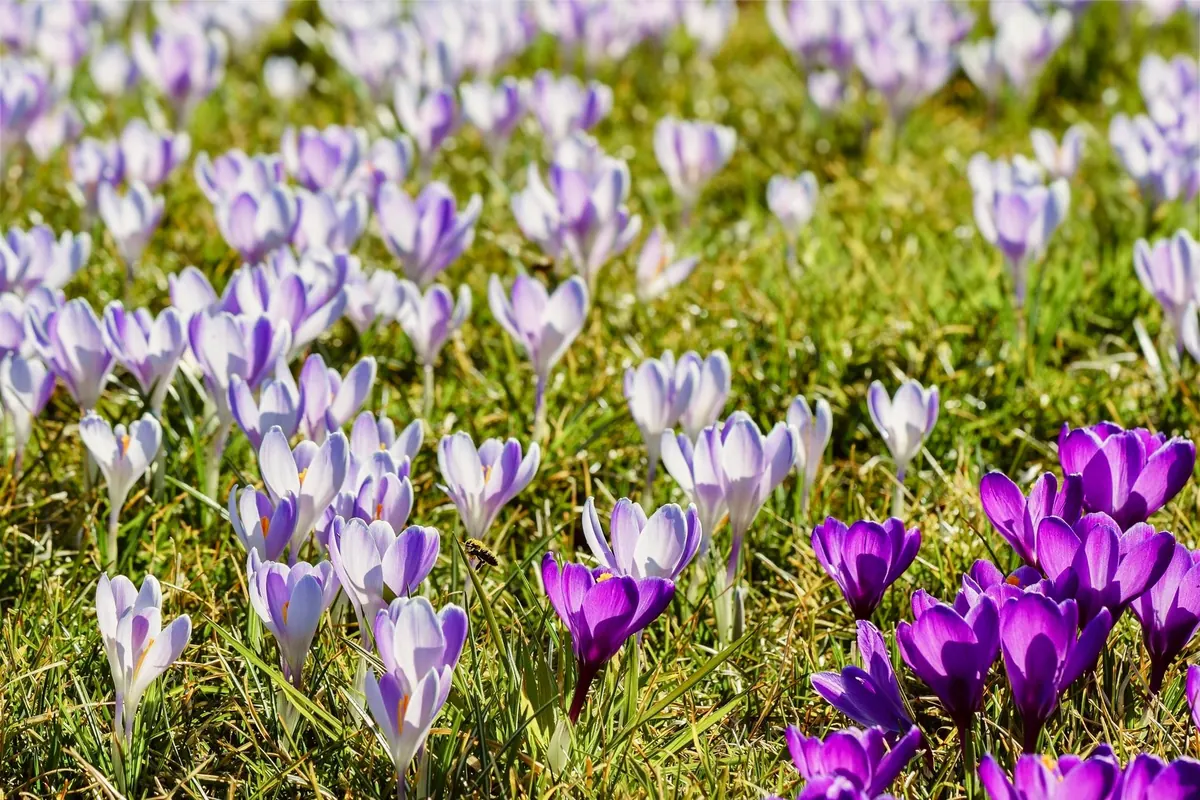
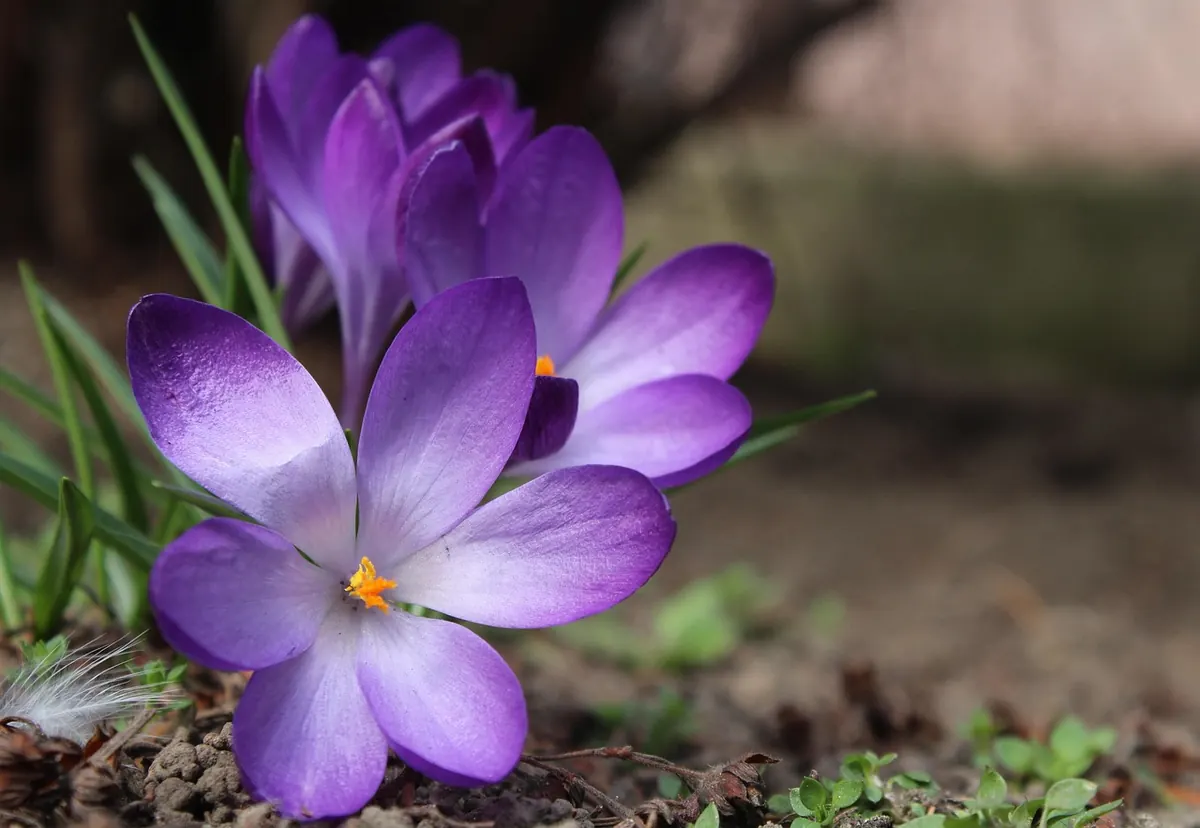
Saffron comes from Crocus sativus, an autumn-flowering crocus. Each flower produces just three red stigmas, which are picked by hand and dried. It takes an enormous number of flowers to fill a small jar, which is why the spice costs what it does.
Turmeric is the rhizome of Curcuma longa, a tropical plant in the ginger family. The root is boiled, dried and ground into the powder found in most supermarket jars. You can also buy it fresh, looking like a small, orange-fleshed cousin of ginger.
Here is where much of the confusion begins: turmeric is nicknamed "Indian saffron", and safflower petals are often sold as "Mexican saffron" or "wild saffron". Neither is saffron. If a packet leans on a nickname rather than the word itself, read the ingredients before you spend anything.
Colour: it is not the same yellow
Good saffron threads are not yellow in the jar at all. They are deep red, almost rusty, often with a paler orange tip where they were attached to the flower. Steeped in warm water or stock, they release a clear golden yellow with a faint orange glow. The liquid stays translucent.
Turmeric is a strong, opaque, almost fluorescent yellow with an orange edge. Stir it into a sauce and it colours the whole thing quickly and completely — and it stains. Worktops, wooden spoons, plastic tubs, tea towels and fingernails all take on the colour. If your "saffron" turned your hands bright yellow straight away, it probably was not saffron.
A quick test: drop a few threads into a small glass of warm water. Real saffron releases colour slowly over ten to twenty minutes, and the threads stay red. Turmeric powder dissolves almost instantly. Cheap "saffron powder" is frequently safflower or turmeric, so buy threads whenever you can.
Flavour and aroma: the real giveaway
Saffron smells unusual until you know it: hay, honey, a little leather, something faintly medicinal. In food, a tiny amount gives a warm floral note that sits behind everything else. Too much and it turns soapy and bitter. A good pinch — roughly twenty to thirty threads — is plenty for a dish serving four.
Turmeric is earthier: peppery, slightly bitter, a bit like ginger without the heat, with a mustard-like edge. It is a background spice. In Indian cooking it usually goes into the pot early, fried briefly in oil or ghee with other spices, which mellows the raw bitterness.
Put simply: saffron perfumes, turmeric builds.
Price: one pinch versus a spoonful
Saffron is among the most expensive spices by weight because the harvest is slow and entirely manual. You buy it in tiny quantities and use it by the pinch. Turmeric costs very little, arrives in large bags and gets used by the teaspoon.
Both are worth keeping, but do not treat one as a budget swap for the other. Replacing saffron with turmeric to save money will not give you a cheaper paella. It will give you a different, much less pleasant one.
How each one is used in the kitchen
- Saffron: steep in a little warm — not boiling — water, stock or milk for fifteen to twenty minutes, then add both the liquid and the threads. Think risotto alla milanese, paella, bouillabaisse, biryani, Persian rice, Cornish saffron buns, kulfi and a simple saffron butter for fish.
- Turmeric: add early with oil and other spices, or stir through lentils, dals, curries, pickles, marinades and rice. It is a workhorse in spice blends and gives mustard its colour.
- Different jobs: saffron wants gentle warmth and time to infuse. Turmeric wants a brief fry or a long simmer in the pot itself.
Why they are not interchangeable
Swap turmeric into a saffron dish and the amount needed for colour brings bitterness, earthiness and an opaque yellow that coats rather than glows. The floral note you were paying for is gone. Swap saffron into a turmeric dish and you would need a ruinous quantity to colour a curry, only for the flavour to vanish among cumin, coriander and chilli.
Telling them apart in ten seconds
- Look at the form. Threads mean saffron. Powder means turmeric, unless the label says saffron powder — which is usually something else.
- Rub a thread between your fingers. Saffron feels dry and slightly brittle and smells of hay and honey. Turmeric feels fine and dusty and smells earthy and peppery.
- Test in warm water. Slow golden release with threads that stay red means saffron. Instant bright yellow means turmeric.
- Check the label and the price. A large jar of "saffron" at a low price is not saffron.
Storing both, and getting the best from them
Keep both spices away from light, heat and moisture — a small airtight jar in a dark cupboard is ideal. Saffron holds its colour better in a small glass jar than in a large plastic tub with plenty of air around it. Turmeric is more forgiving but loses its punch after a year or so, so buy the amount you will actually use.
Buy saffron as threads from a shop you trust and use a pinch at a time. Buy turmeric in modest bags and replace it when the colour and smell fade. Label your jars, too: the two look nothing alike, but a decanted yellow powder in an unmarked tin has caught out better cooks than either of us.
One last note: if you are considering turmeric supplements or large doses for health reasons, that is a different conversation from cooking. Ask a GP or pharmacist, particularly if you take regular medication.
Photo: baillif / Pixabay